Nail Fungus Removal
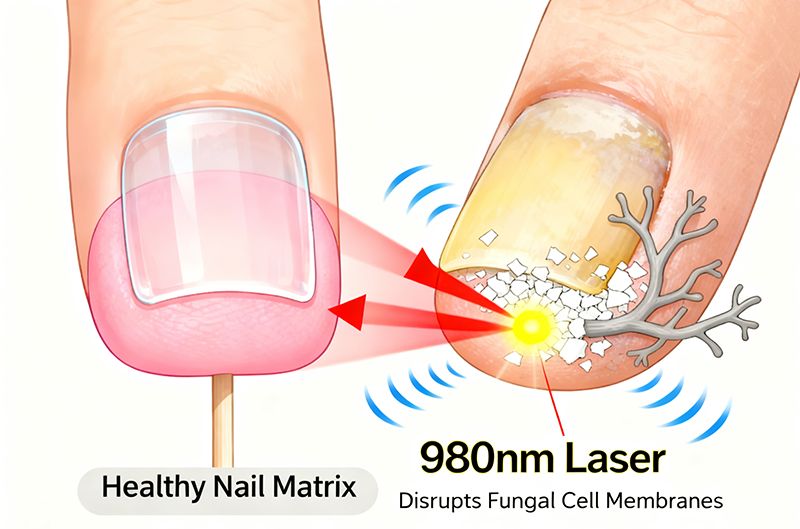
The 980nm diode laser treats onychomycosis by leveraging selective photothermal targeting—it primarily cts on fungal components and infected nail bed tissue, avoiding damage to healthy nails and surrounding skin.
Its core mechanism and clinical characteristics are as follows:
Core Therapeutic Mechanism
- Fungal Destruction: The 980nm wavelength is absorbed by fungal chromophores (e.g., melanin, cytochromes) and water molecules in fungal cells. This absorption converts light energy into localized thermal energy, raising the temperature in the infected area to 45–55°C—enough to denature fungal proteins, break down cell membranes, and kill fungi (including hyphae and spores) without overheating healthy tissue.
- Nail Bed Microcirculation Improvement: The laser also gently heats the nail bed’s vascular tissue. This stimulates local blood flow, enhances the delivery of oxygen and immune cells to the infected site, and promotes the body’s natural clearance of residual fungal debris.
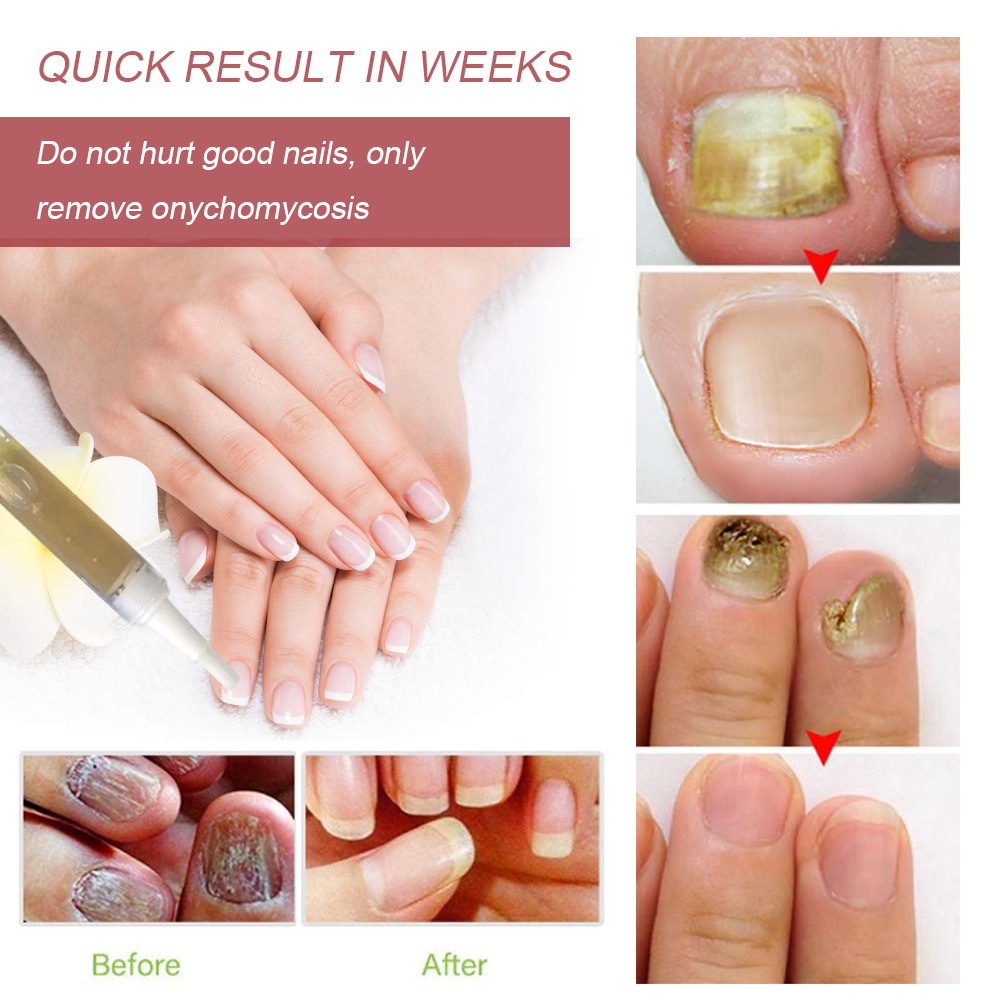
- Barrier Restoration: As the laser eliminates fungi, it creates a favorable environment for the growth of new, healthy nail plates. Over time, the infected nail is gradually pushed out by the new nail, completing the restoration process.
Clinical Advantages
- Minimally Invasive & Painless: No need for nail removal or incisions; the treatment causes only mild, transient warmth (no anesthesia required for most patients), with no downtime.
- High Safety: It avoids the side effects of oral antifungal drugs (e.g., liver damage) and the irritation of topical medications to the nail bed, making it suitable for patients with liver dysfunction or allergies to traditional drugs.
- Broad Adaptability: Effective for both distal lateral subungual onychomycosis (the most common type) and superficial white onychomycosis, and works on both fingernails and toenails.
Key Clinical Notes
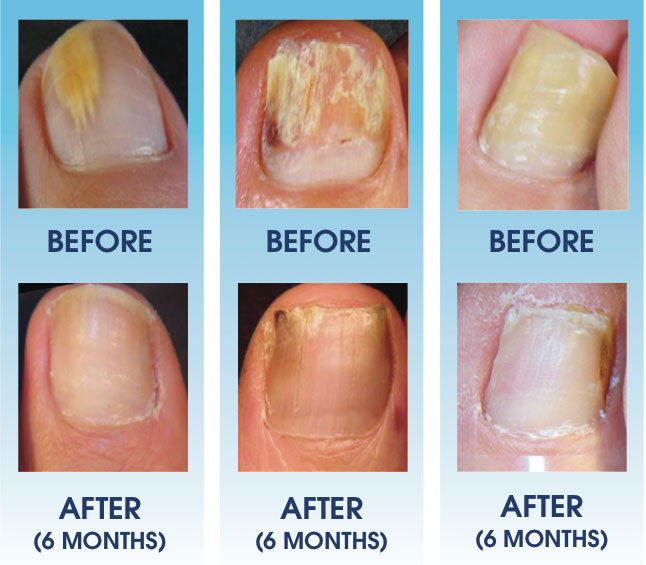
- Treatment Course: Typically requires 4–8 sessions (once every 2–4 weeks), as nails grow slowly (≈0.5–1mm/week for fingernails, ≈0.3mm/week for toenails) and require repeated laser exposure to target newly grown infected tissue.
- Post-Treatment Care: Patients should keep the treated nails dry, avoid prolonged soaking, and wear breathable footwear to prevent re-infection during nail regrowth.
- Contraindications: Not suitable for patients with nail bed tumors, severe peripheral vascular disease, or those who are pregnant/lactating (due to limited clinical data).
Previous:No More
Next:No More