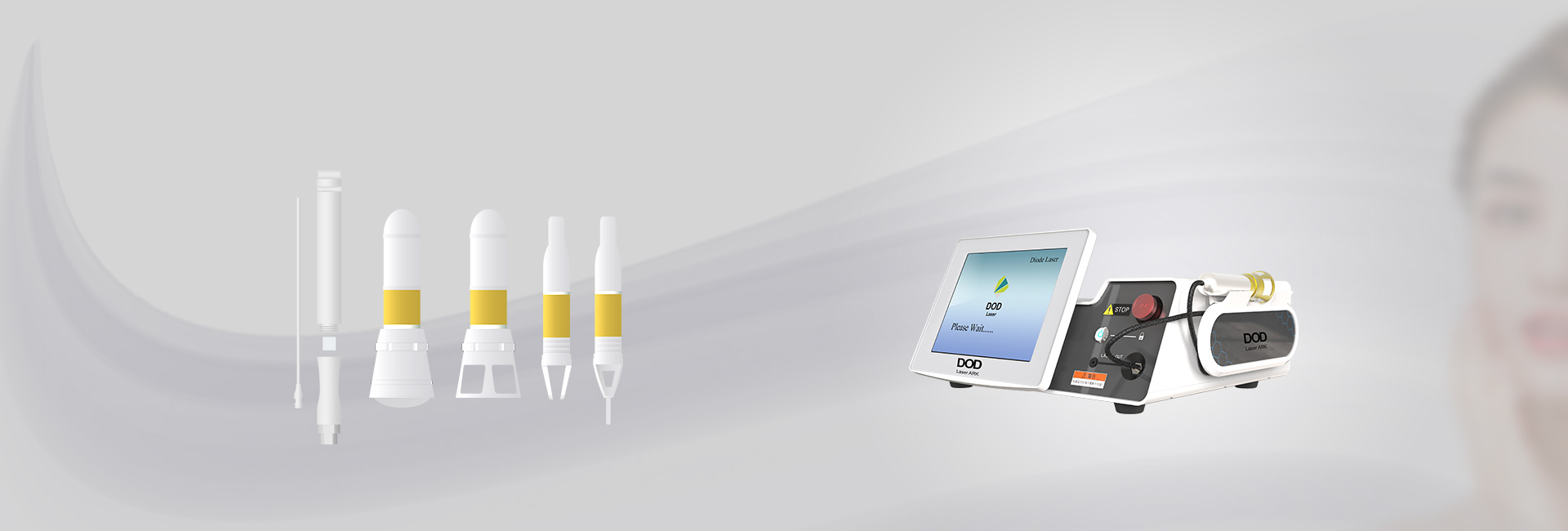
Physiotherapy
High-power 980nm diode laser physiotherapy (typically with output power ≥10W, higher than low-level laser therapy) exerts therapeutic effects through synergistic mild thermal and photobiomodulation effects.
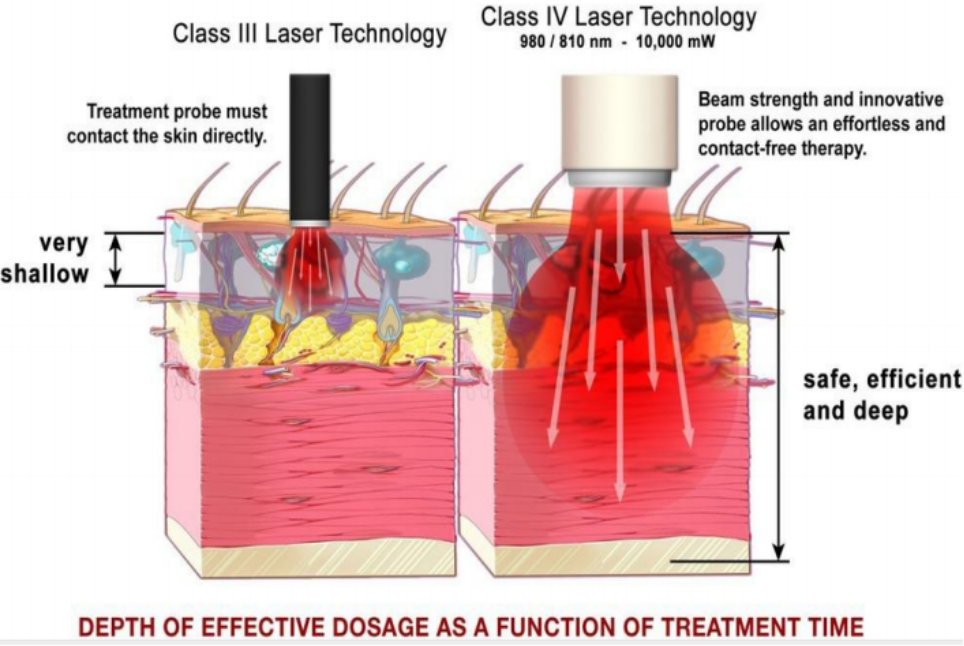
It penetrates deeper into tissues (up to 5-10mm) and acts faster, making it suitable for more complex or severe soft tissue, joint, and nerve conditions.
1. Therapeutic Mechanisms
- Enhanced Tissue Penetration & Thermal Regulation:
The high-power output allows deeper penetration into muscles, tendons, joint capsules, and even superficial bone tissue. It generates controlled mild heat (40-45°C) to dilate deep blood vessels, significantly improving local microcirculation and accelerating the clearance of inflammatory factors (e.g., TNF-α, IL-6).
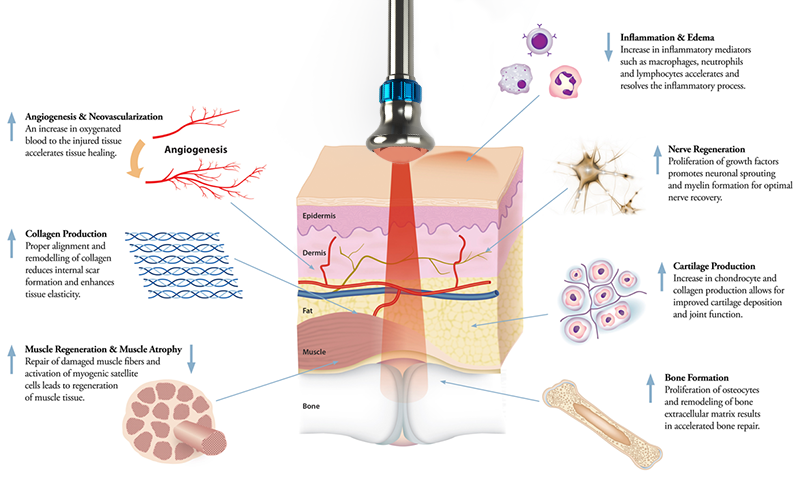
- Potentiated Photobiomodulation:
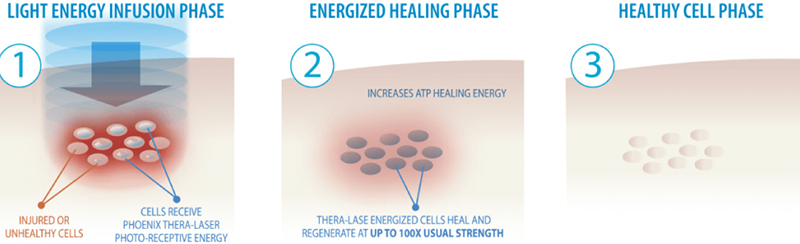
While maintaining non-damaging effects on healthy cells, it strongly stimulates mitochondrial ATP synthesis in damaged cells. This speeds up the repair of necrotic muscle fibers, broken collagen, and injured nerve endings—shortening the recovery cycle of chronic lesions.
- Targeted Pain Blocking:
The combined thermal and photoelectric effects inhibit the excitability of pain receptors (nociceptors) more effectively and block the transmission of pain signals in the spinal cord. It also promotes the secretion of endorphins, achieving faster and longer-lasting pain relief than low-power lasers.
2. Application
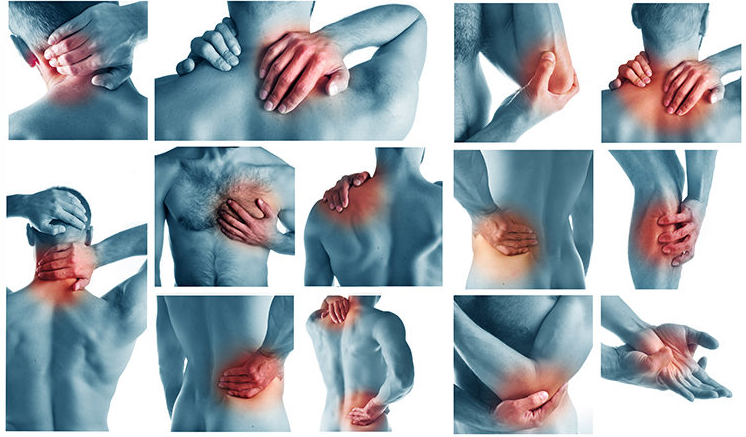
Musculoskeletal System (Chronic & Severe Conditions)
- Chronic Degenerative Diseases: Treatment of moderate-to-severe knee osteoarthritis (reduces joint synovitis, promotes cartilage matrix synthesis), cervical/lumbar intervertebral disc herniation (relieves nerve root compression-induced radiating pain), and lumbar spinal stenosis (improves local blood supply to the spinal cord).
- Post-Traumatic & Post-Surgical Recovery: Accelerates healing of severe muscle strains (e.g., hamstring tears), ligament sprains (e.g., anterior cruciate ligament sprains), and post-orthopedic surgery adhesions (e.g., after knee replacement surgery). It reduces postoperative swelling and shortens the rehabilitation period by 30%-50% compared to conventional therapy.
- Fascial & Tendon Disorders: Effective for refractory plantar fasciitis (relieves fascial adhesion and inflammation), severe tennis elbow (lateral epicondylitis), and Achilles tendinopathy (promotes tendon fiber regeneration and reduces calcification).

Nerve & Vascular-Related Conditions
- Peripheral Neuropathy: Treats moderate-to-severe diabetic peripheral neuropathy (improves numbness, tingling, and burning pain in hands/feet by stimulating nerve axon regeneration and restoring microcirculation in the peripheral nerves).
- Vascular Insufficiency: Assists in the treatment of mild venous stasis ulcers and post-thrombotic syndrome (improves local blood flow in the lower limbs, promotes wound granulation tissue growth, and reduces edema).
3. Clinical Characteristics & Safety Notes
- Advantages:
- Fast Onset: Pain relief and inflammation reduction can be observed after 1-2 sessions (vs. 3-5 sessions for low-power lasers), suitable for patients requiring rapid symptom control.
- Deep Tissue Targeting: Effective for lesions in deep tissues (e.g., deep muscle layers, joint spaces) that low-power lasers cannot reach.
- Reduced Treatment Course: The total number of sessions is usually 5-10 (once every 1-2 weeks), shorter than low-power laser therapy (8-12 sessions).
- Safety Considerations:
- Strict Thermal Control: The laser must be operated by professional personnel to avoid overheating (which may cause skin burns or thermal damage to deep tissues). Real-time temperature monitoring of the treatment area is recommended.
- Contraindications: Prohibited for patients with tumors (malignant or benign), active tuberculosis, photosensitive diseases (e.g., lupus erythematosus), and severe peripheral vascular disease (e.g., severe arterial occlusion). It should not be used near the eyes, thyroid gland, or pregnant uterus.
- Device Selection: Must use medical-grade high-power 980nm lasers with FDA or CE certification to ensure stable power output and safety protection functions.
Previous:No More
Next:No More