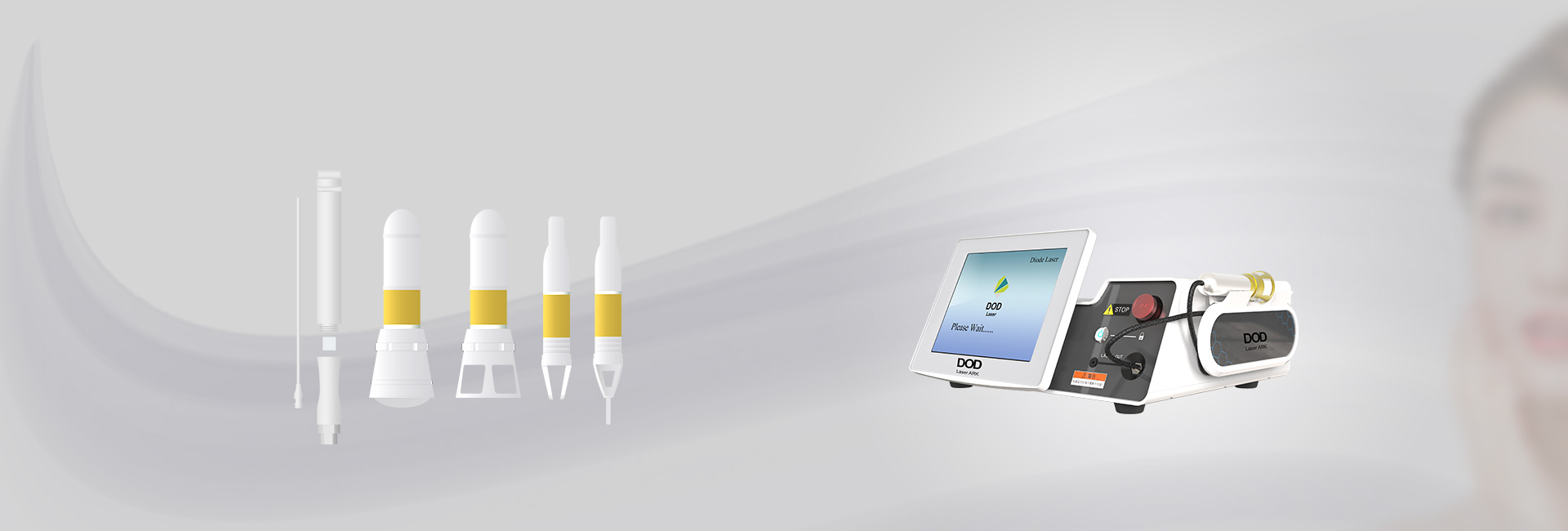
EVLT
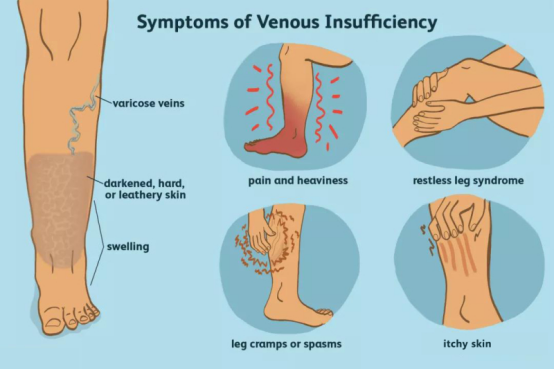
Do you suffer from heavy legs or visible veins ?
Venous reflux disease is a common condition. Up to 55 % of women and 45 % of men suffer from symptoms such as fatigue, pain and swelling of lower limbs.
Experts estimate that these symptoms are experienced by a significant number of individuals worldwide.
Impaired veins can be more than just a cosmetic problem.
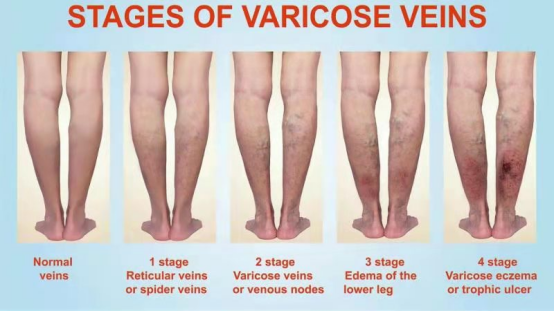
Left untreated, venous reflux disease can progress to skin changes, discoloration, inflammation and even venous ulcer.
What should I know?
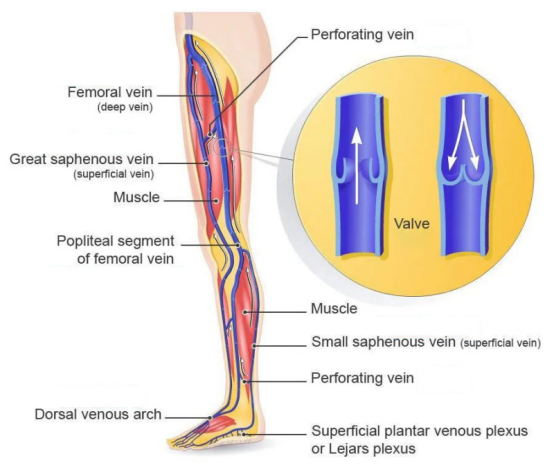
While the heart serves as the pump for transporting blood in the arteries, the veins require additional pumping mechanisms to counteract the force of gravity when the body is upright.
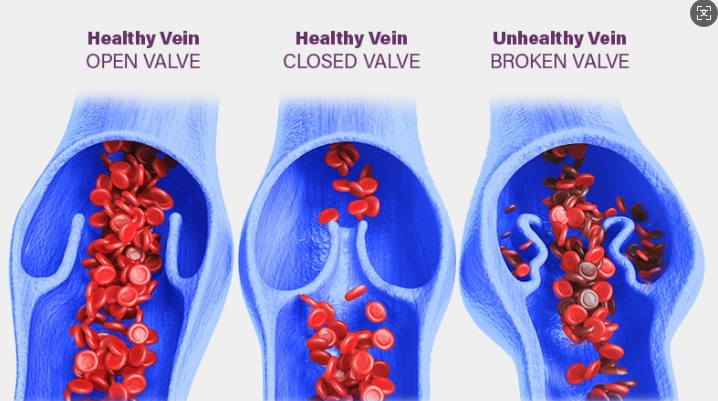
The transport of blood back to the heart by the calf muscle is support-ed by the valves in our veins.
If these valves do not close properly, blood flows back into the legs and pools in the veins which become distended due to the increased pressure.
The condition in which veins malfunc- tion in this way is referred to as varicose veins, varicosis or venous insufficiency.
Pronounced varicose veins lead to problems with the drainage of blood and typically result in complaints and complications such as heavy legs, pain, swelling, inflammation and varicose hemorrhage.
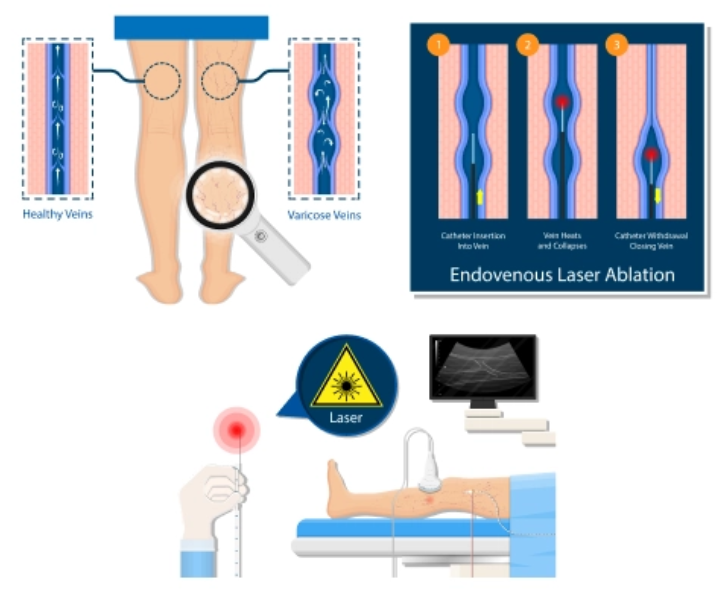
EVLT is a new method of treating varicose veins without surgery.
Instead of tying and removing the abnormal veins, they are heated by a laser.
The heat kills the walls of the veins and the body then naturally absorbs the dead tissue and the abnormal veins are destroyed. It can be carried out in a simple treatment room rather than an operating theatre.
EVLT is performed under local anaesthetic as a Walk-in, walk-out’ technique.
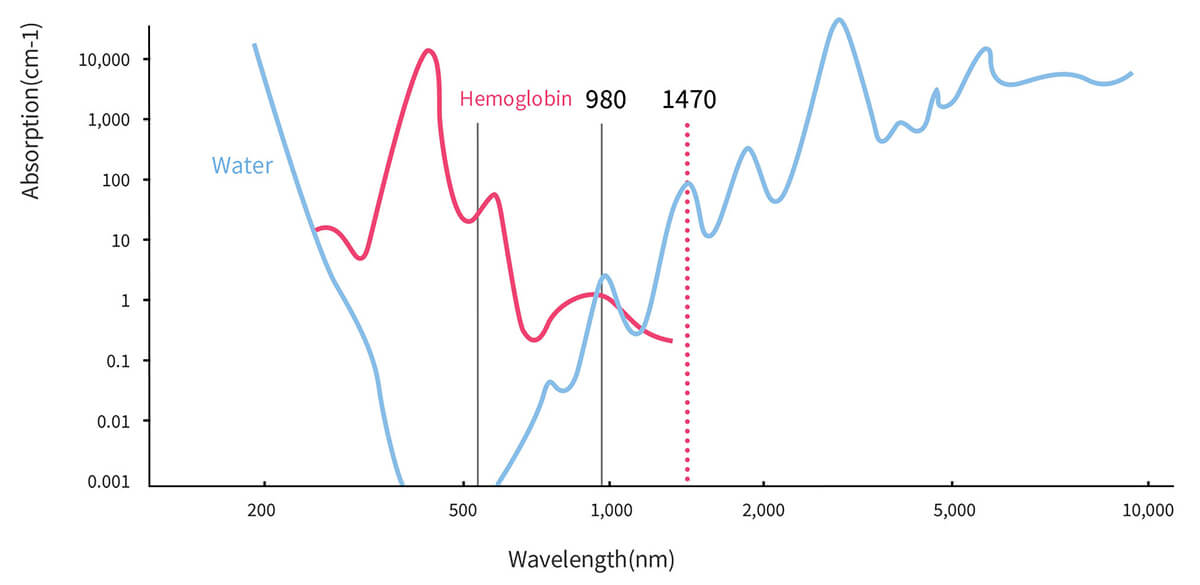
Principle of 980nm and 1470nm Dual-Wavelength Diode Medical Laser in Varicose Veins Treatment
The core of 980nm and 1470nm dual-wavelength diode laser for varicose veins treatment lies in precisely damaging the venous wall through synergistic photothermal effect while reducing treatment risks. The specific principle is divided into two steps:
1. 1470nm wavelength: Main effect on the venous wall
This wavelength has an extremely high absorption rate for water, and the venous wall tissue is rich in water content. After the laser energy is absorbed by the venous wall, it is quickly converted into heat energy, causing coagulative necrosis of venous wall smooth muscle cells and contraction of collagen fibers. Eventually, the lumen of the diseased vein closes and the abnormal blood flow is blocked.
2. 980nm wavelength: Auxiliary enhancement + risk reduction
This wavelength has a higher absorption rate for hemoglobin, which can accurately act on the blood in the vein. It slightly coagulates the blood to form "thrombus" through photothermal effect, reducing the "heat dissipation" interference of blood on the 1470nm laser energy. This allows more heat energy to focus on the venous wall and improves the closure efficiency. At the same time, its shallow penetration depth can reduce thermal damage to surrounding normal tissues such as skin and nerves.
The two wavelengths work synergistically to achieve a balance between "efficient closure of diseased veins" and "protection of surrounding tissues", and it is one of the mainstream minimally invasive technologies for varicose veins treatment currently.
Patients choosing this treatment will benefit from the following advantages:
‒A virtually pain-free recovery
‒Maximum patient comfort
‒Short treatment times
‒No scarring
‒Little or no post-operative bruising
‒Excellent medical and cosmetic results
‒Quick return to normal activities
Previous:No More
Next:No More