Veterinary
Applications of 980nm and 1470nm Diode Lasers in Veterinary Medicine
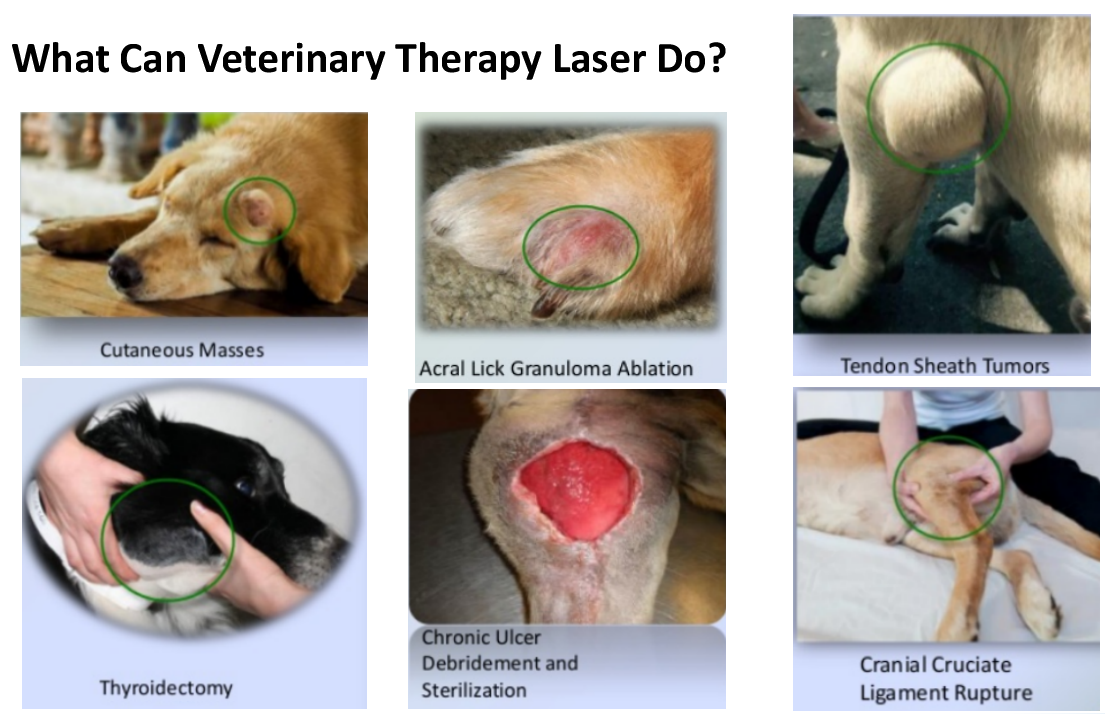
980nm and 1470nm diode lasers are widely used in pet care for minimally invasive treatment and rehabilitation therapy, leveraging their selective absorption by hemoglobin and water molecules. Their applications differ based on pet-specific conditions (e.g., skin, musculoskeletal, and oral issues), as detailed below:
980nm Diode Laser in Pet Care
- Advantage
High affinity for hemoglobin, enabling precise hemostasis and targeted treatment of vascular-rich tissues—ideal for procedures requiring minimal bleeding and gentle tissue interaction.
- Key Application
1. Dermatological Treatments:
- Removal of vascular lesions: Eliminates pet skin hemangiomas, telangiectasias (common in senior dogs/cats), and vascularized papillomas via coagulating abnormal blood vessels, with no scarring.
- Management of hot spots (acute moist dermatitis): Reduces local inflammation by targeting blood vessels, accelerates wound drying, and prevents secondary bacterial infection.
2. Oral Care:
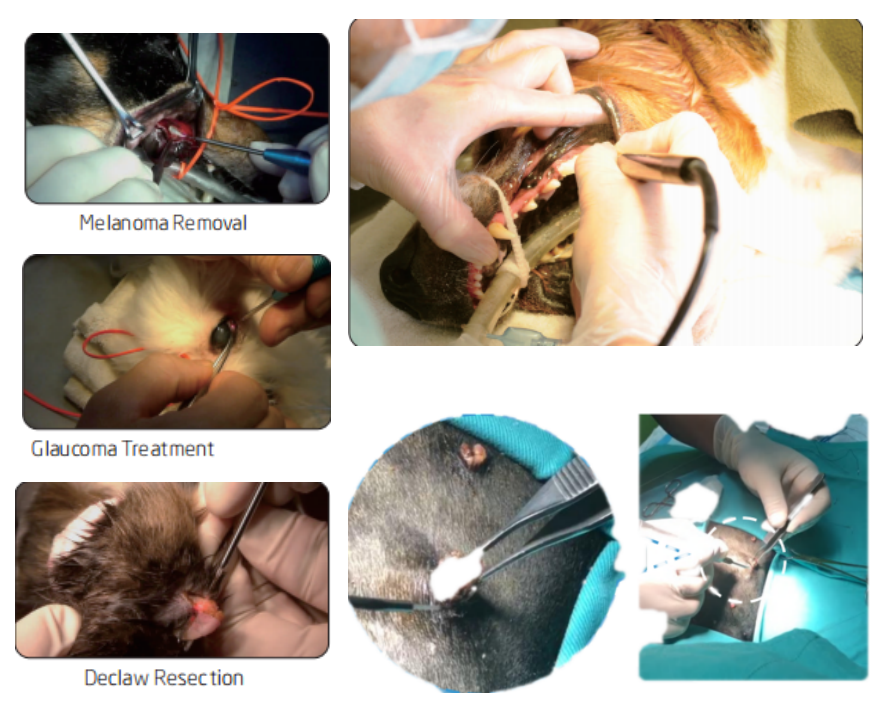
- Dental procedures: Assists in gingivectomy (treating severe gingivitis in dogs) and removing small oral tumors (e.g., fibromas), with real-time hemostasis to keep the oral cavity clear during surgery.
- Periodontal therapy: Reduces gingival bleeding and kills periodontal pathogens by heating gingival pockets, improving oral hygiene in breeds prone to dental issues (e.g., Pugs, Shih Tzus).
3. Minor Soft Tissue Surgery:
- Aural (ear) procedures: Removes vascular granulation tissue in the external auditory canal (common in dogs with chronic otitis) without damaging delicate ear skin.
- Post-suture care: Reduces swelling and promotes incision healing after spaying/neutering by improving local microcirculation.
1470nm Diode Laser in Pet Care
Advantage: High absorption by water molecules, generating concentrated thermal effects for efficient tissue cutting/vaporization—suitable for treating dense soft tissues or deep lesions in pets.
Key Application:
1. Musculoskeletal Rehabilitation:
- Chronic pain relief: Treats osteoarthritis (common in large breeds like German Shepherds) and hip dysplasia by heating deep muscle/tendon tissue (2–5mm depth), stimulating collagen repair and reducing joint inflammation.
- Post-injury recovery: Accelerates healing of muscle strains (e.g., in active dogs like Border Collies) and ligament sprains (e.g., cranial cruciate ligament injuries) by promoting tissue regeneration and reducing scar tissue.
2. Dermatological & Tumor Treatments:
- Removal of non-vascular lesions: Vaporizes sebaceous cysts, lipomas (small, superficial ones), and squamous cell carcinomas (early-stage, in cats/dogs) with precise tissue targeting, minimizing damage to surrounding skin.
- Nail bed therapy: Treats onychomycosis (fungal nail infections) and paronychia (nail bed inflammation) by heating infected tissue to kill fungi/bacteria, avoiding painful nail removal.
3. Respiratory & Oral Procedures:
- Nasal cavity treatments: Removes nasal polyps or small tumors in brachycephalic breeds (e.g., Bulldogs) via endoscopic laser ablation, maintaining nasal airflow and reducing post-op edema.
- Oral tumor resection: Resects larger benign oral tumors (e.g., epulides in dogs) by vaporizing tissue layer by layer, reducing the risk of residual lesions and protecting oral function.

Key Considerations for Pet Applications
- Safety First: Use pet-specific laser devices (lower power than human-grade, usually 5–15W) to avoid overheating—pets have thinner skin and shorter hair, increasing thermal sensitivity.
- Sedation/Analgesia: For invasive procedures (e.g., tumor removal), mild sedation is recommended to keep pets still; non-invasive rehab (e.g., arthritis therapy) requires no sedation.
- Breed-Specific Adjustments: Brachycephalic breeds (short-nosed) need lower energy for nasal/oral treatments; long-haired breeds require hair trimming to ensure laser penetration.
Previous:No More
Next:No More